


Retail media: a data-driven activation lever
7min • Last updated on Mar 3, 2026


Olivier Renard
Content & SEO Manager
[👉 Summarise this article using ChatGPT, Google AI or Perplexity.]
Consumers are exposed to a growing volume of advertising across every channel. At the same time, the gradual disappearance of third-party cookies is forcing advertisers to rethink their targeting and personalisation strategies.
Investment in retail media is experiencing spectacular growth. It now amounts to nearly $200 billion (Warc), and major retailers are building their own media networks.
This channel is emerging as a new pillar of digital marketing, at the intersection of advertising and data. It enables brands to activate audiences directly within retailers’ environments, as close as possible to the point of transaction.
Key Takeaways:
Retail media allows retailers to monetise their advertising inventory and first-party data. Transactional data becomes a true revenue driver.
It relies on on-site, off-site and in-store formats. For brands, this means visibility at key moments in the purchasing journey.
Its strength lies in precise targeting and direct sales measurement. Several KPIs can be used to assess the impact of retail media campaigns.
Performance depends on data quality and unification. A reliable, centralised source of truth simplifies advertising orchestration.
👉 What is retail media and how does it work? What are its main use cases, benefits and emerging trends? Discover the mechanics and data-related challenges behind this fast-growing channel. 🔎
What is retail media?
Retail media refers to all the advertising spaces that a retailer makes available to brands to display ads to its shoppers.
It leverages the retailer’s digital assets and transactional data to deliver targeted and measurable campaigns.
The term is not new. Historically, advertising already existed in physical stores in the form of endcaps or in-store displays. However, these mechanisms have evolved significantly with the rise of digital.
Today, we often refer to e-retail media, which includes various advertising formats and sponsored search results designed to engage consumers as close as possible to the point of purchase.
This channel differs from traditional digital advertising. Retailer data is based on actual purchasing behaviour or browsing activity on a website or app. Brands therefore target identified shoppers within a transactional context.
Ads appear at key moments: product searches, category browsing, adding items to cart or even in-store journey. Retail media strategies are thus closely aligned with purchase intent and decision-making.
Different environments
Retail media is structured around three complementary environments.
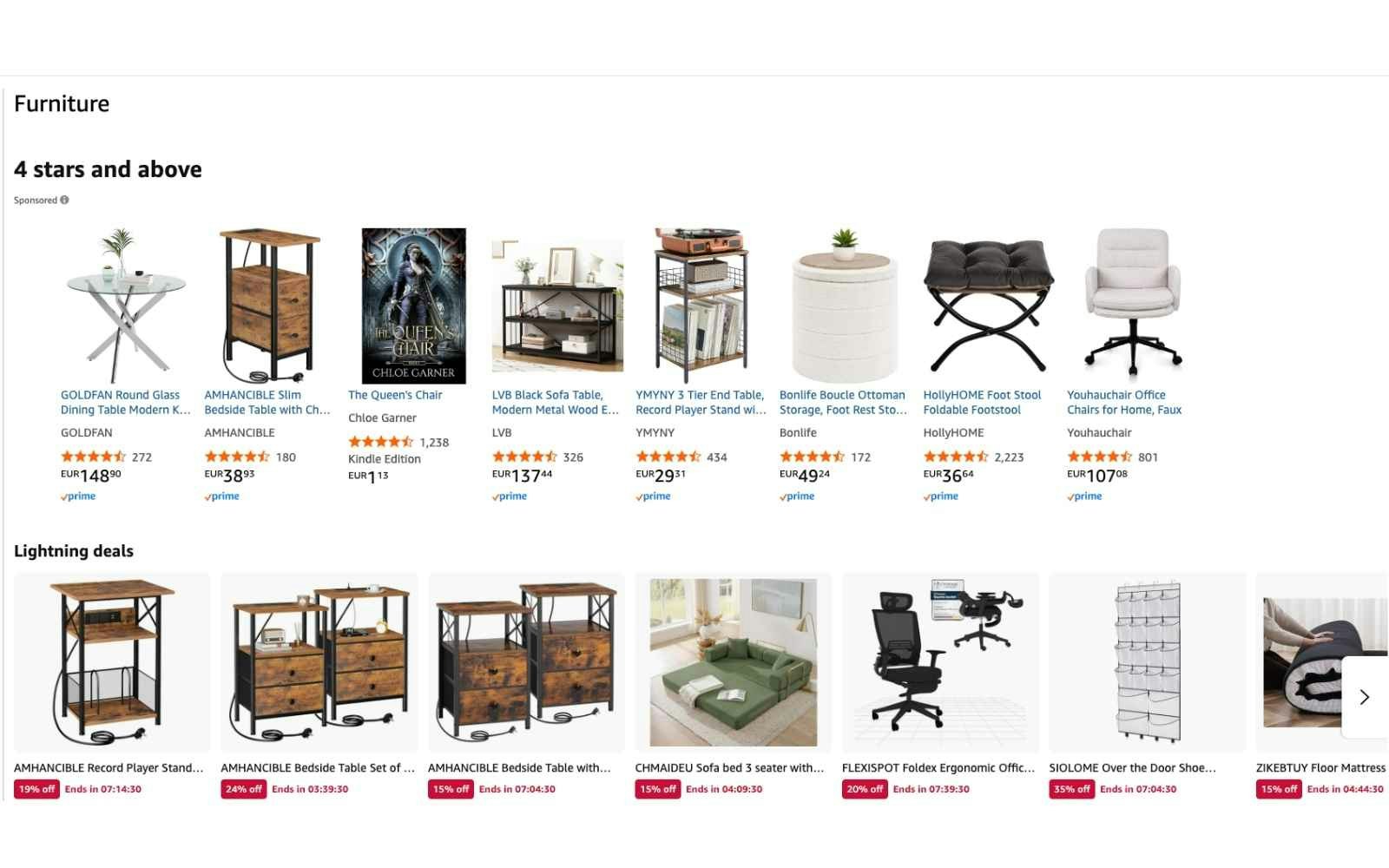
On-site : this includes ads displayed directly on the retailer’s digital properties. It covers sponsored products and display formats.
For example, a brand can sponsor a product to appear at the top of search results on an e-commerce platform. Often purchased on a CPC basis, this format aims to capture attention at the exact moment a shopper shows intent.
Off-site : this involves using the retailer’s first-party data to activate campaigns outside of its own website. Ads are delivered on external platforms such as social media, display networks, CTV or other digital environments.
In this model, retailer data is used for targeting or performance measurement. Brands can therefore extend their retail media strategy beyond the merchant’s site while maintaining a data-driven approach.
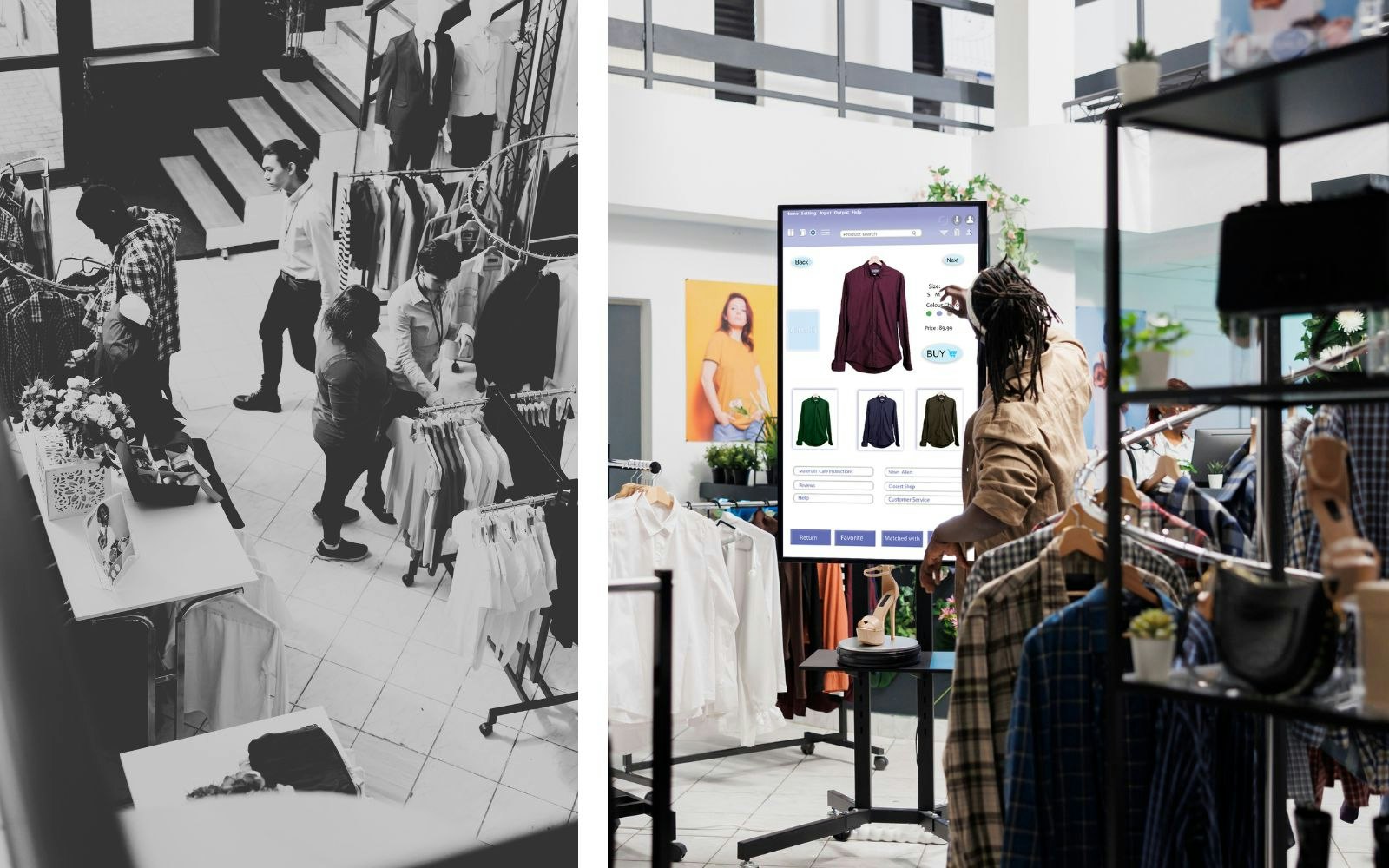
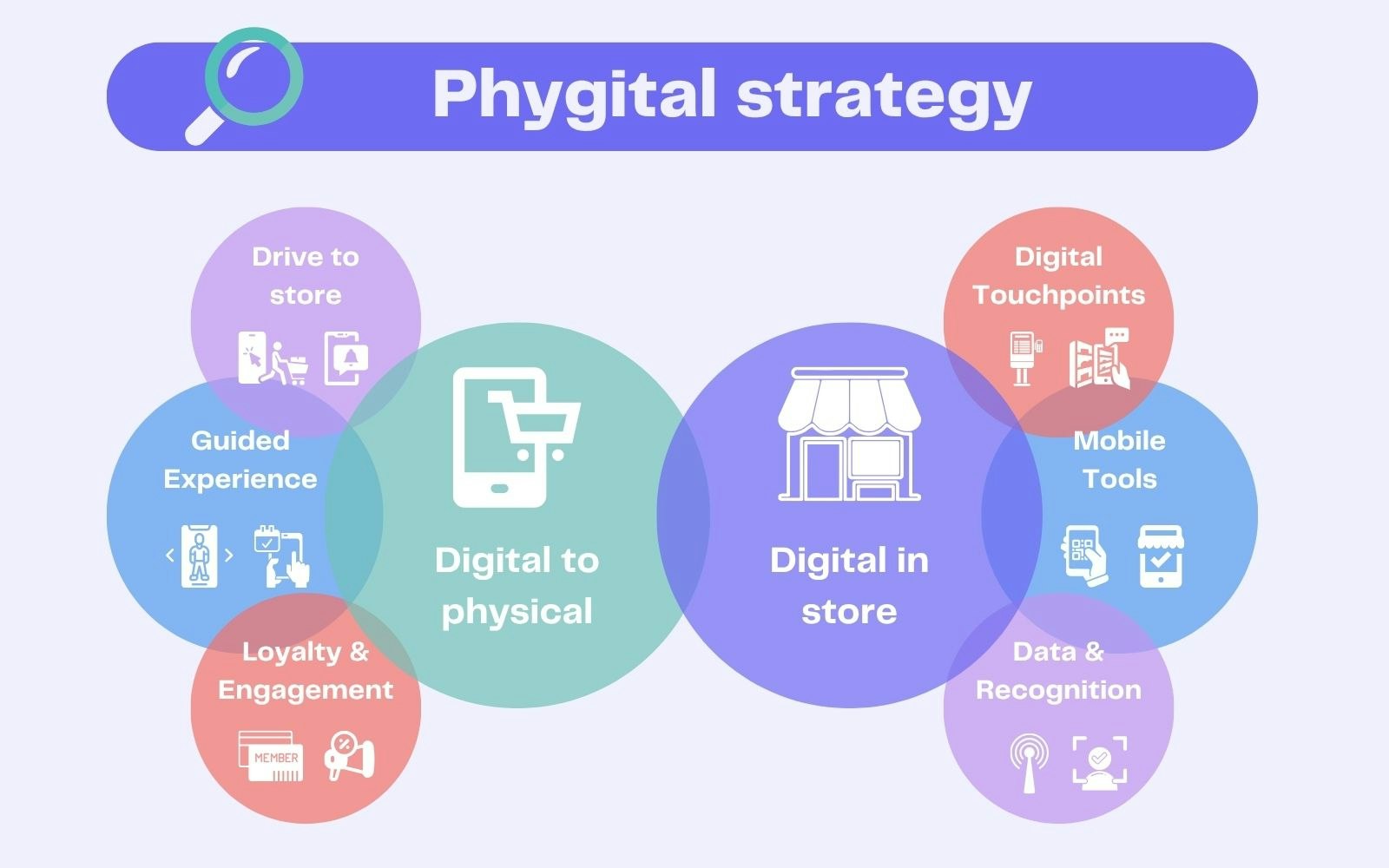
In-store : retail media also aligns well with a phygital strategy. In physical stores, it takes the form of screens, DOOH (Digital Out-Of-Home) or other digital in-store devices.
These formats enable brands to activate consumers within the physical environment, often in close proximity to products. They complement the overall strategy and strengthen the consistency between advertising, data and the purchase journey.
Why is it so appealing to brands?
For advertisers, retail media has become a strategic lever that directly serves performance objectives. It combines visibility, precise targeting and direct sales measurement.
Targeting powered by first-party data
Retail media is built on the first-party data collected by retailers. This proprietary data is highly valuable because it comes from real consumer behaviour: product searches, page views and completed purchases.
Unlike other forms of digital advertising, targeting relies on transactional data rather than third-party cookies. Brands therefore activate audiences made up of authenticated shoppers.
Players such as Amazon, Walmart and Auchan leverage this data to deliver ads aligned with the purchase journey. Retail media thus becomes a natural extension of the relationship between brands and retailers.
Sponsored products on Amazon
Measurement closer to actual sales
Another key advantage lies in the ability to measure advertising impact on sales. Retail media goes beyond traditional visibility metrics.
Brands can track indicators such as sales lift, incremental ROAS, the number of new-to-brand (NTB) customers, or even Customer Lifetime Value (CLTV). This performance-driven approach strengthens retail media’s credibility among marketing and finance leaders who are seeking tangible results.
A new revenue stream for retailers
Retail media also contributes to the diversification of revenue sources for retail players. Beyond selling products, retailers can monetise advertising inventory and data assets.
The retail media ecosystem has become structured around major players. A pioneer and market leader, Amazon Ads combines advertising inventory, transactional data and sales measurement at scale. The US group has established itself as a giant in the sector by turning its marketplace into a true media platform.
In the UK, retailers such as Tesco have built structured retail media networks through partnerships with data specialists, leveraging loyalty and transaction data at scale. Sainsbury’s has also developed a comprehensive media offering powered by first-party data.
In the US, Walmart Connect and Target Roundel illustrate how large retailers are turning their digital assets and shopper data into fully-fledged media platforms. Technology partners such as Criteo support many of these initiatives across markets.
This retail media strategy enables retailers to diversify their revenues while strengthening partnerships with brands. It transforms data into a strategic asset at the heart of a rapidly expanding advertising ecosystem.
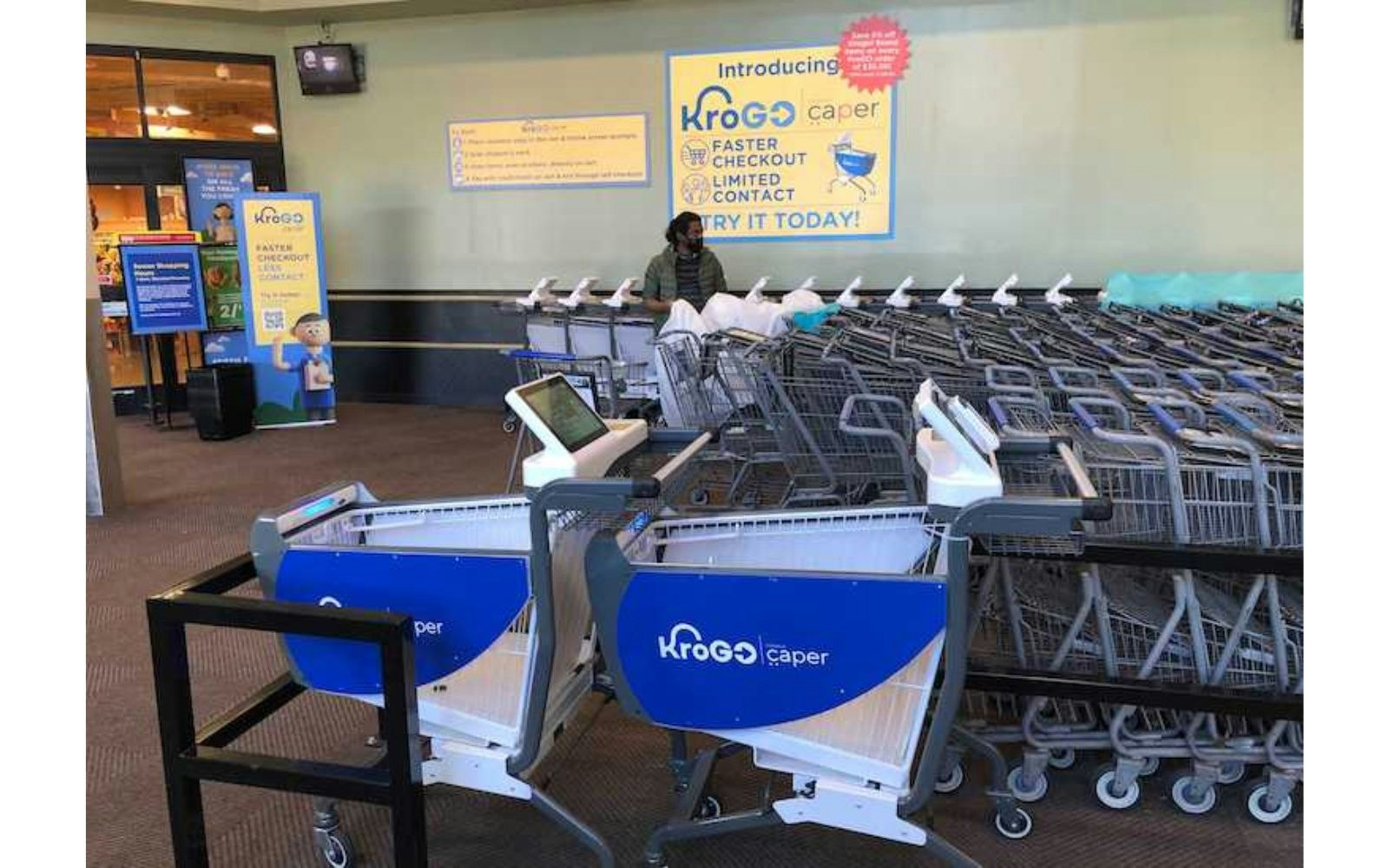
Smart cart KroGo (Credit: Kroger / Caper)
How does a retail media campaign work?
This type of advertising relies on the retailer’s proprietary data to target, deliver and measure activations as close as possible to the purchase journey. Each stage depends on the quality of the data leveraged by the retailer.
Targeting. It is based on purchase history, browsing behaviour, viewed or added-to-cart products, and more. Secure environments such as data clean rooms make it possible to match or enrich this data within a controlled framework.
Segmentation helps identify relevant audiences based on product context or level of intent.
Ad formats. These vary depending on brand objectives. Each format corresponds to a stage of the journey: sponsored search within results pages, display or video on-site, or off-site activations on social platforms or CTV.
Optimisation. Most setups operate through bidding systems. Optimising retail media campaigns requires active management and regular testing (segments, creatives, keywords or placements).
Measurement and performance tracking. KPIs vary according to objectives: ROAS, revenue generated, incremental sales or new customers acquired. It is essential to distinguish between correlation and incrementality to measure the real impact of advertising activations.
Beyond technology, data quality is decisive. It directly determines the effectiveness of campaigns.
Data as a performance driver
Retail media relies on first-party data from customer accounts, purchase histories and product journeys. This data enables precise targeting and direct measurement of sales impact.
For brands, the challenge is to leverage this information effectively within their marketing activations. This requires a 360° customer view and strong alignment between CRM, advertising campaigns and analytics.
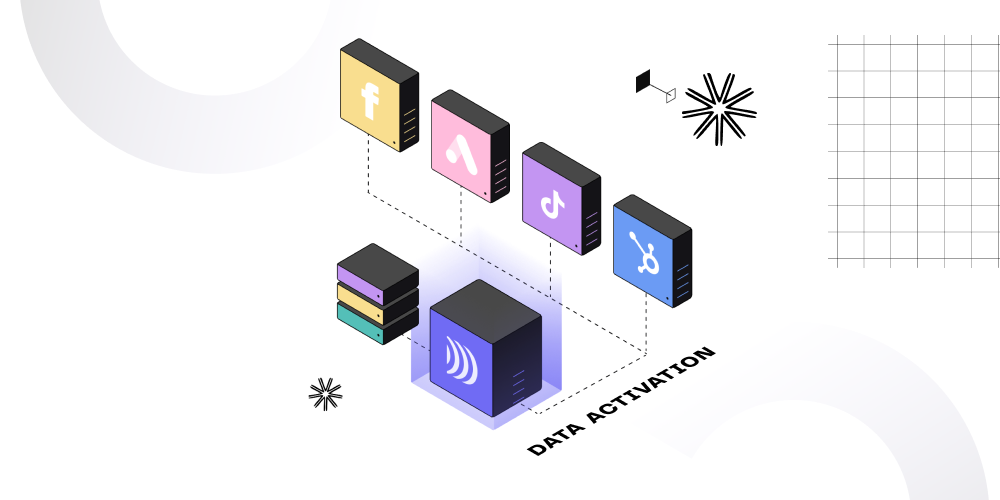
A composable CDP supports this approach. It leverages the data stored in the data warehouse to orchestrate omnichannel activation from a reliable source of truth. Retail media thus becomes part of the advertiser’s broader strategy.


Data for retail
Key retail media trends
Several developments are shaping the future of the sector.
The convergence towards commerce media
Retail media is no longer limited to ad placements on e-commerce websites. It is increasingly expanding into off-site environments, social platforms, CTV and in-store media.
This trend is driving an omnichannel commerce media approach. Brands activate retailers’ first-party data across the entire customer journey.
A high-performing retail media strategy combines sponsored search, display, off-site activations and in-store presence. The objective is to support shoppers at every stage through a consistent full-funnel approach.
Ethical and regulatory challenges
Retail media relies on the use of first-party data. Business models must preserve privacy while enabling campaign activation and measurement.
Consent and transparency are central to the ecosystem. Industry players are responsible for ensuring clear governance and compliance with applicable regulations.
Data sharing between brands and retailers requires a well-defined framework. Consumers must understand how their data is used for advertising purposes.
Limitations and challenges
Cost inflation: as demand increases, bidding on certain keywords or placements becomes more competitive.
Operational complexity: the multiplication of platforms and advertising environments makes campaign management more demanding for marketing teams.
Need for transparency and standards: comparing performance across different retail media platforms can sometimes be difficult.
Risk of dependency on dominant players: diversifying strategy and integrating retail media into the broader digital marketing mix becomes a strategic priority.
Conclusion
Retail media is emerging as a major evolution in digital marketing. It brings advertising closer to the point of purchase and transforms first-party data into a measurable performance driver.
For both brands and retailers, it represents a strategic opportunity. It combines visibility, precise targeting and direct sales impact.
Performance does not rely solely on advertising formats. It also depends on data quality, unification and effective activation within the marketing stack.