

The data lifecycle: understanding and mastering each stage
6min • Last updated on Mar 3, 2026


Olivier Renard
Content & SEO Manager
[👉 Summarise this article using ChatGPT, Google AI or Perplexity.]
The UK is among the ten countries most affected by data breaches worldwide, behind the United States, France and India (Cybernews). With ever-increasing data flows, the challenge for organisations is to manage data effectively at every stage.
To stay in control, companies need to track data end to end, from creation through to deletion.
Key Takeaways:
The data lifecycle is built around several stages: collection, storage, usage, retention or deletion.
Its goal is to keep data reliable, useful and compliant (GDPR / CCPA).
Data Lifecycle Management (DLM) provides a clear framework covering rules, roles and tools.
A modern data stack built around the data warehouse makes governance and activation easier.
👉 Discover the key stages of the data lifecycle and the benefits of DLM. Explore real-world examples to manage and activate your data in full compliance. 🔍
What is the data lifecycle
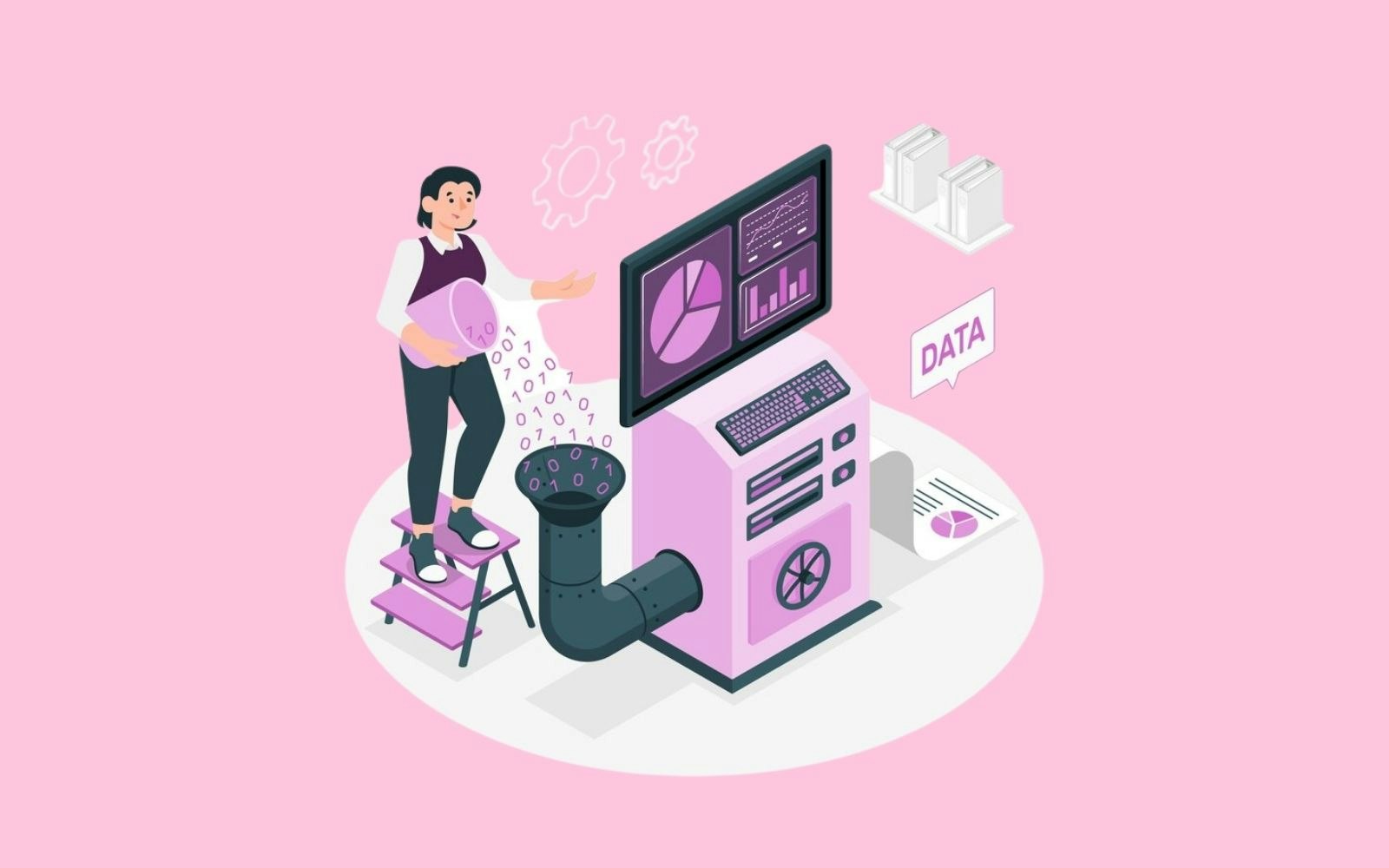
The data lifecycle refers to all the stages a piece of data goes through, from its creation to its deletion.
It begins when an organisation collects information (for example via a form, a purchase, or an interaction with customer support). It ends when the data is archived, anonymised or deleted.
It is described as a lifecycle because, over time, data is enriched, transformed and reused. To enable this, it must be properly managed. The same data point can be used to analyse performance, segment audiences, personalise messaging or track KPIs.
As data flows across an increasing number of tools and volumes continue to grow, managing the data lifecycle has become a critical issue for organisations. They must also address challenges related to data quality, security, governance and compliance.
A well-managed data lifecycle delivers three immediate benefits:
More reliable data (fewer errors and duplicates),
More efficient usage (fewer silos, faster decision-making),
Better risk control (access management, retention policies).
Data lifecycle and Data Lifecycle Management (DLM)
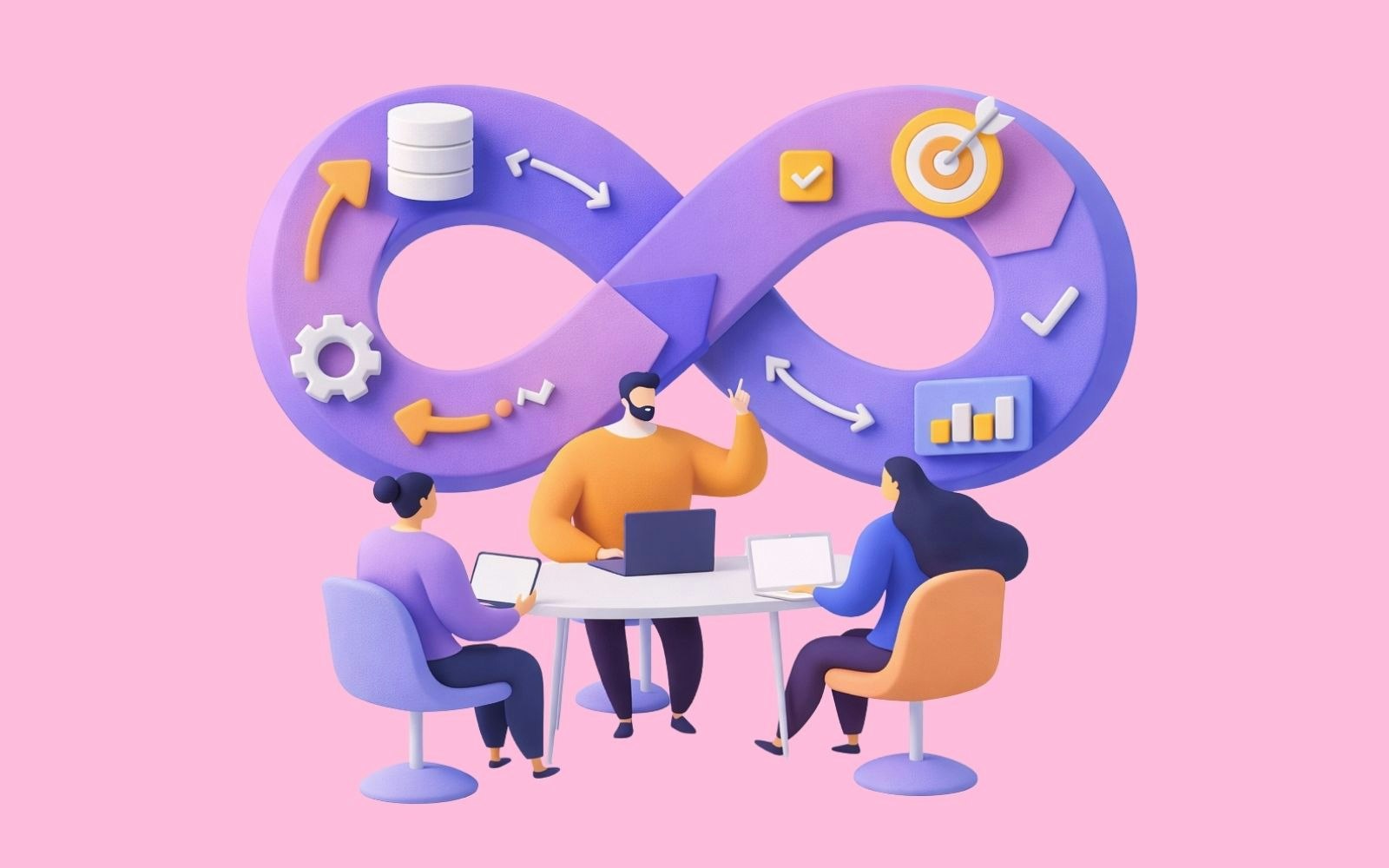
While the data lifecycle describes the journey data follows, Data Lifecycle Management (DLM) defines how an organisation structures and governs that lifecycle.
In practice, DLM involves setting rules (retention periods, access rights, archiving) and assigning roles and responsibilities (who owns the data, who can modify it, who uses it). It relies on tools and processes to automate what can be automated, such as monitoring, alerts, data cleansing and deletion.
👉 DLM vs ILM: what’s the difference?
DLM manages how data moves from one stage to another across its entire lifecycle, using high-level governance rules.
ILM (Information Lifecycle Management) focuses more on the value and relevance of information. Which data should be retained, updated or retrieved, and which should be deleted because it is no longer useful or accurate?

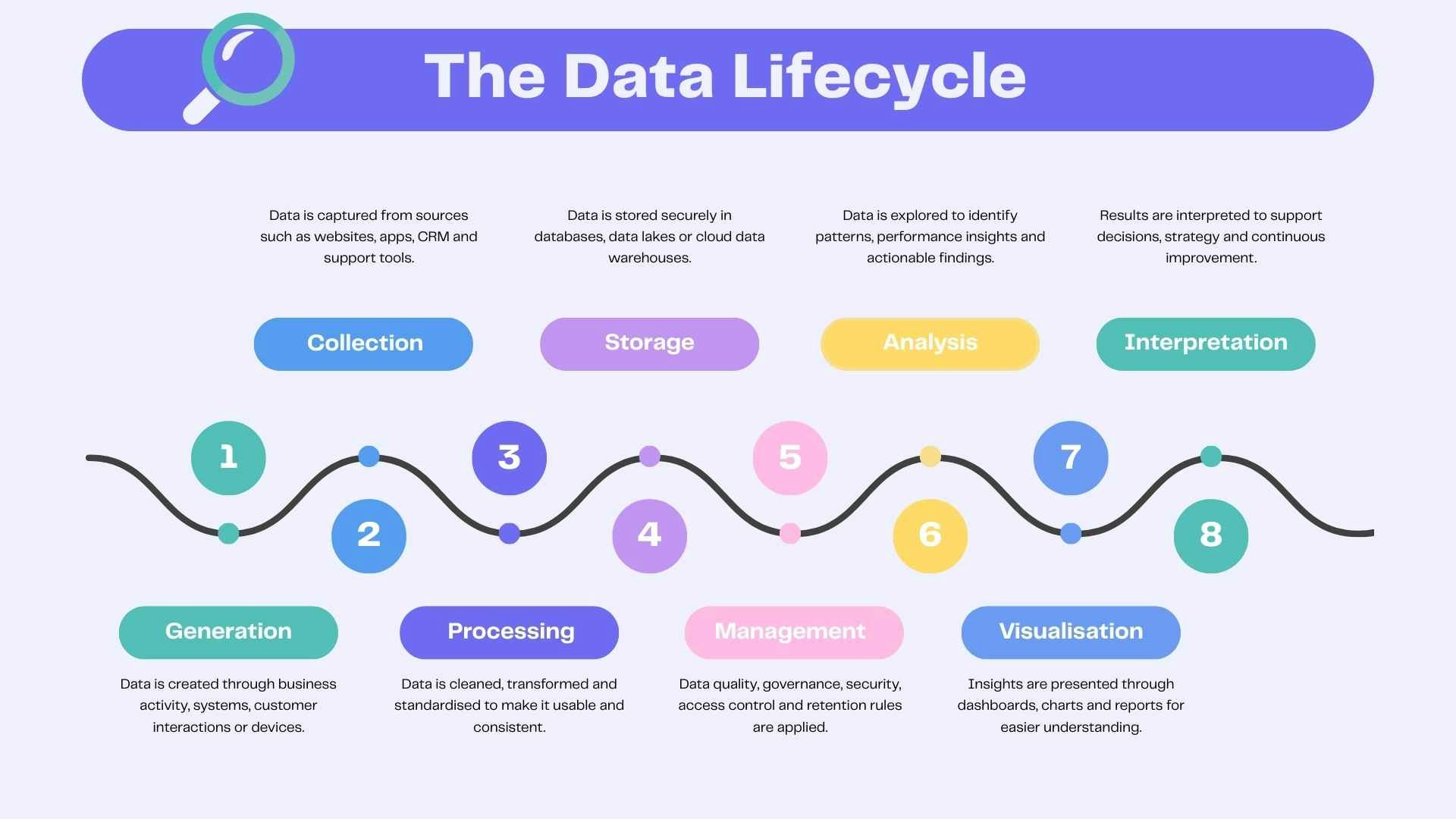
The data lifecycle stages
Key stages
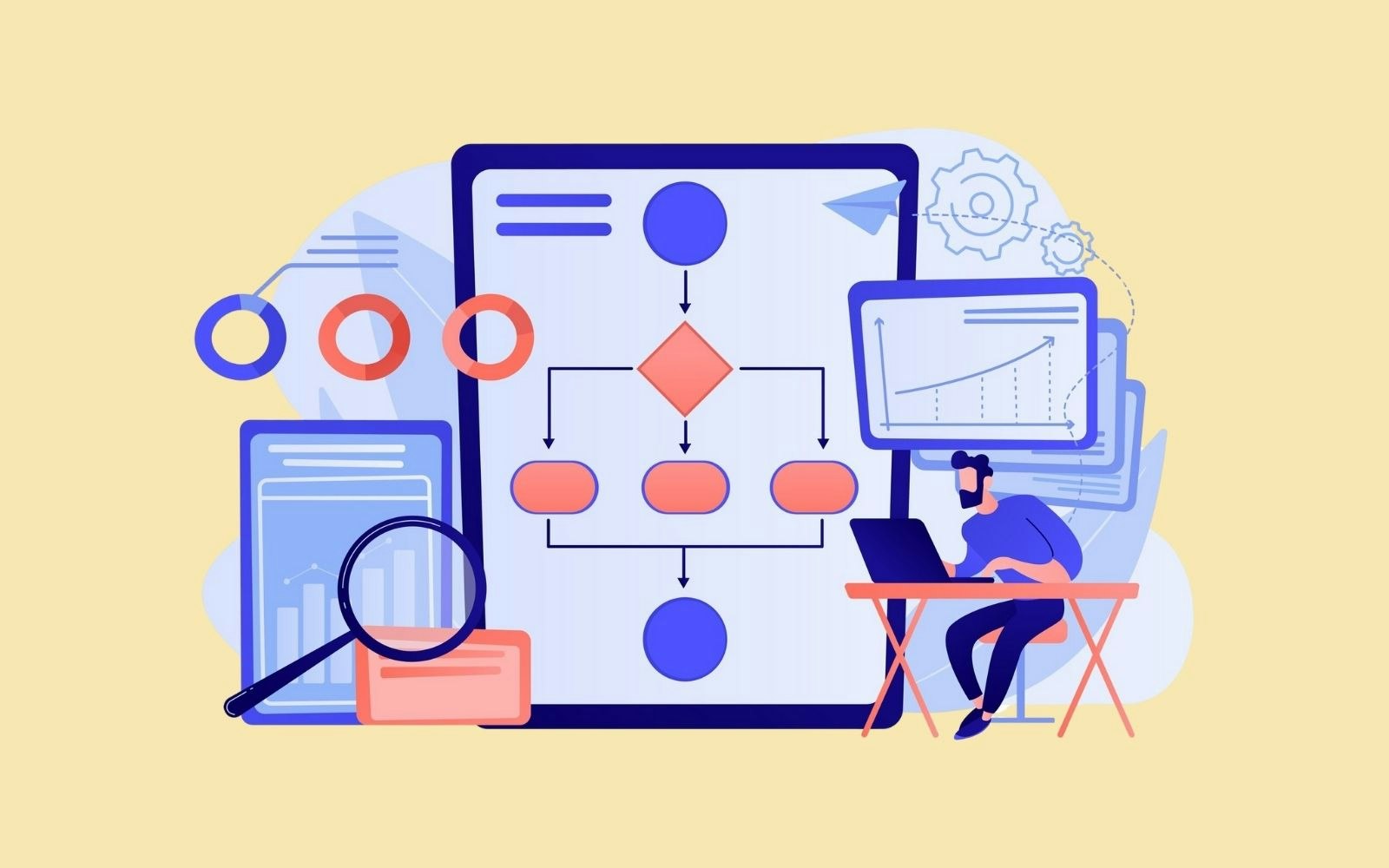
The data lifecycle includes several stages: creation, collection, processing, storage, management, analysis, visualisation, interpretation, retention or deletion. The main phases are outlined below.
1️⃣ Generation and collection
Organisations continuously generate and capture information: web browsing, app usage, purchases, forms, CRM interactions, support tickets or satisfaction surveys.
This stage shapes everything that follows. Poorly defined data collection leads to incomplete, non-compliant and unusable data. It is also at this point that consent must be addressed, particularly when dealing with personal data.
2️⃣ Storage and processing
Once collected, data needs to be stored and structured. There are several hosting options available: on-premise (local disks or servers), public cloud or private cloud, among others.
In a modern stack, cloud data warehouses and data lakes act as the central repository. The goal is to provide a storage layer that is reliable, accessible, secure and governed.
The data model ensures consistency and reflects how the organisation structures information. This foundation simplifies analysis and provides an efficient architecture for the rest of the lifecycle.
3️⃣ Management and preparation
To be used effectively in marketing and Business Intelligence (BI) tools, data must be sufficiently reliable. This stage is critical, as it enables segmentation, activation and measurement without introducing bias.
Before being used, data is cleaned, deduplicated and harmonised. In particular, information must be unified, as the same customer can exist under multiple identifiers.
💡 A true extension of your data warehouse, the DinMo composable CDP simplifies this phase through its identity resolution process.
Unlike traditional solutions, it does not create a duplicate copy in its own database, which makes governance easier. Its data lineage capabilities also make it possible to track transformations and updates over time.
4️⃣ Usage and sharing
This phase covers two complementary use cases:
Analysis: dashboards, BI, performance indicators, customer journeys.
Activation: segmentation, personalisation, campaigns.
On the analytics side, data feeds reporting tools to track metrics and understand journeys. On the activation side, it is used in CRM systems, marketing automation tools and advertising platforms to build audiences and orchestrate campaigns.
5️⃣ Retention, archiving and deletion
The final stage of the process, but by no means the least, relies on a set of best practices. Organisations cannot store everything indefinitely: retention periods must be defined, documented and enforced.
This is both a compliance requirement (GDPR / ICO) and a matter of operational common sense. Keeping obsolete data increases risk, cost and complexity.
Depending on the context, data can be archived or deleted. The key is to implement a consistent approach aligned with business needs and regulatory obligations.
👉 Profile deletion and associated data removal, the right to be forgotten, personal data exports: the DinMo composable CDP makes compliance-related operations easier.
Example use case
Managing the data lifecycle really comes to life through simple marketing use cases. Take the example of an e-commerce business looking to identify customers who are likely to make a repeat purchase within the next 30 days.
As part of its activity, the company collects a range of customer data: pages viewed, cart additions, purchases, CRM history and email interactions. It must also capture consent whenever personal data is involved.
This information is then stored in the data warehouse, which acts as the single source of truth. Once the data has been made reliable, a “high-potential” segment can be created: recent customers, high purchase frequency, high average order value, or repeated signals of interest.
This audience is then activated across the right channels: email/CRM, retargeting ads and the mobile app. Teams measure the impact of their actions using various KPIs, such as conversion rate, repeat purchases, generated margin and, where possible, incrementality.
If consent is withdrawn, the company stops the associated marketing processing and applies its retention rules (GDPR): deleting or anonymising data that is no longer required. It must also be able to respond to user requests for data access, modification or deletion.

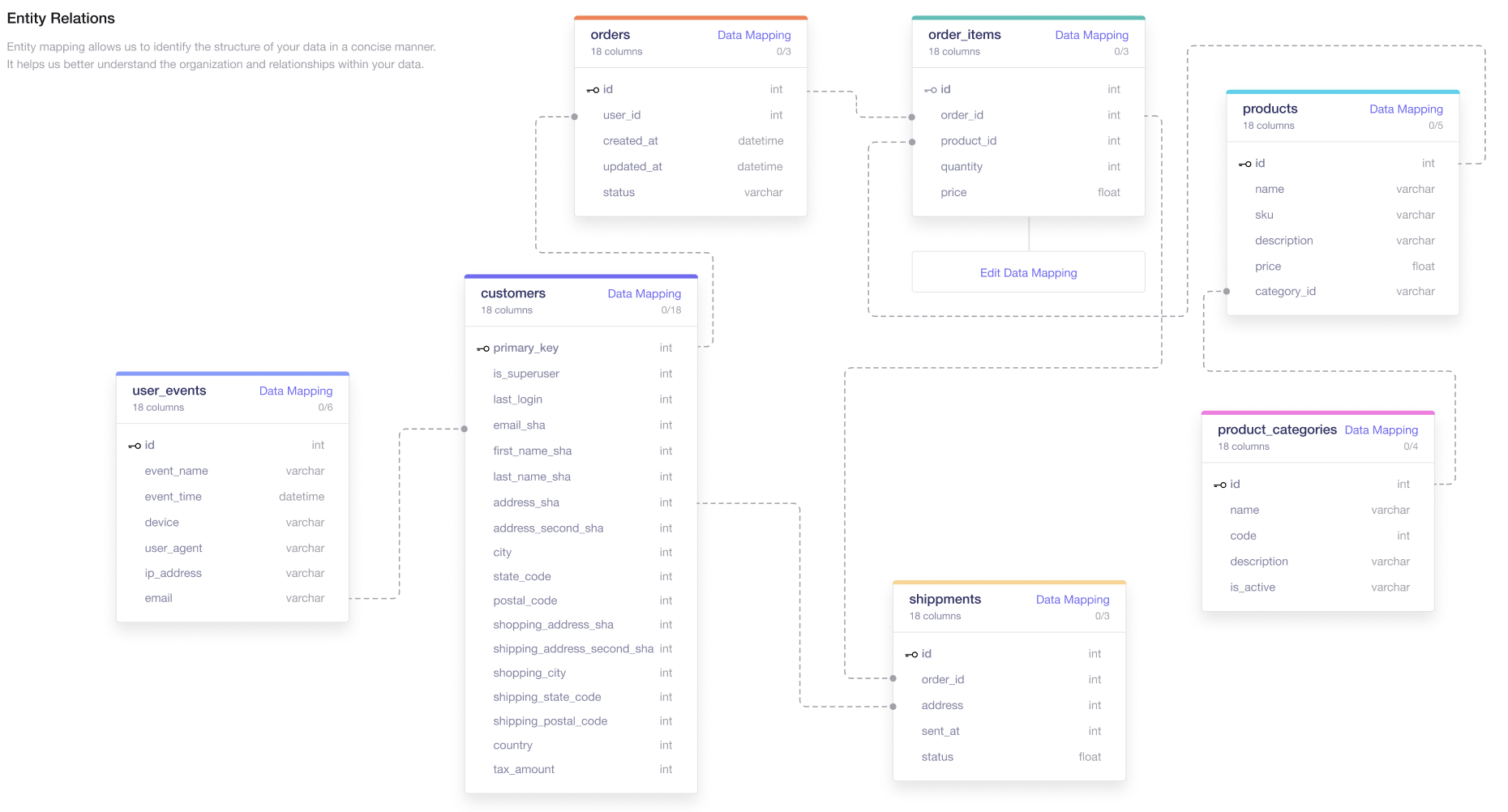
Typical E-commerce Data Model supported by DinMo
Data lifecycle best practices
Define governance rules: align teams around shared definitions (events, KPIs, customer statuses) and document everything. Clarify roles: who owns data quality, and who drives marketing usage.
Ensure compliance: limit collection to what is necessary and apply clear retention rules. Maintain full traceability, covering data sources, transformations and access.
Automation: ensure regular updates and put observability rules in place (monitoring, alerts) to prevent data quality issues.
Why a warehouse-centric stack simplifies the lifecycle
In many organisations, data is spread across multiple tools (CRM, ads, analytics), creating silos and complicating governance. Centralising data in a data warehouse ensures that activation and analysis are built on a single, consistent foundation.
The DinMo composable CDP enables marketing teams to create no-code audiences from unified warehouse data. They can activate data across all channels, supported by a technical architecture designed for compliance and fast execution.
Conclusion
Mastering the data lifecycle means maintaining end-to-end control: collection, storage, usage, compliance and deletion. With a modern data stack, organisations can accelerate use cases without multiplying silos or compromising compliance.
Discover how DinMo helps you activate customer data directly from the data warehouse, while maintaining strong governance.